As devotees across the country observe Maha Shivaratri, special fasting meals are being prepared in homes and temple kitchens in accordance with traditional vrat rules. The sacred night dedicated to Lord Shiva is marked by strict dietary discipline, with many devotees abstaining from grains, onion, garlic, and regular salt.
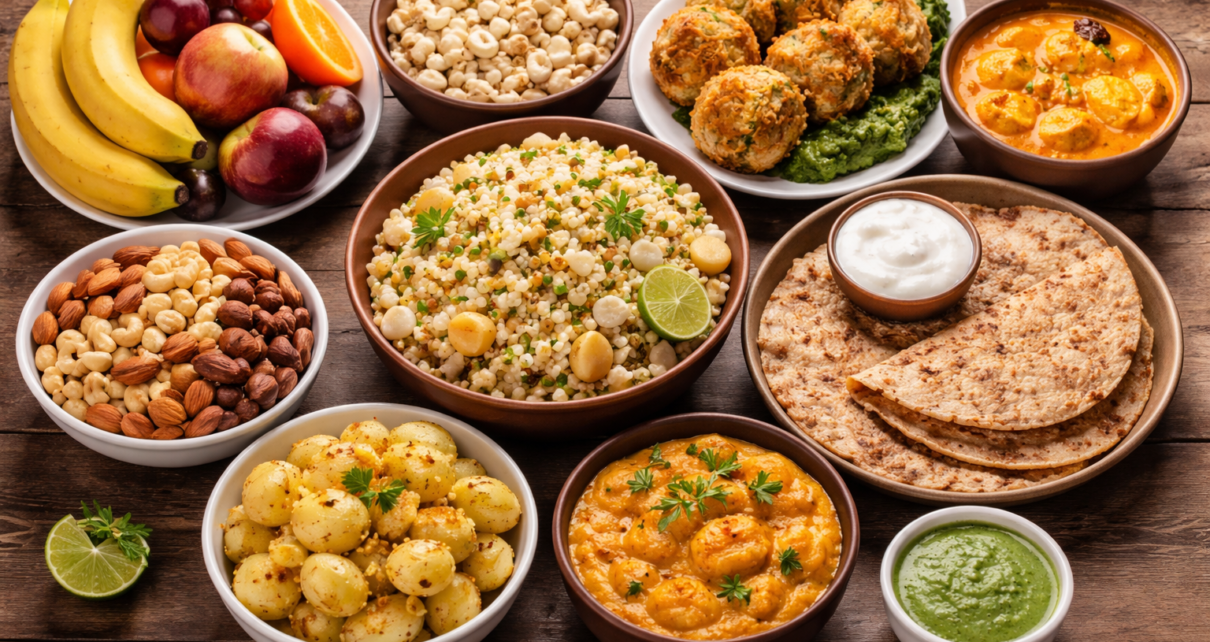
Unlike regular meals, fasting food during Mahashivratri follows satvik guidelines. Commonly consumed items include:
Fruits and Dry Fruits: Bananas, apples, papaya, dates, almonds, and cashews provide energy during the day-long fast.
Milk and Milk Products: Devotees consume milk, curd, paneer, and buttermilk, which are also used in abhishek rituals.
Sabudana (Tapioca Pearls): Popular dishes like sabudana khichdi and sabudana vada are widely prepared.
Kuttu and Singhara Flour: Breads and pakoras made from buckwheat (kuttu) and water chestnut (singhara) flour are staple fasting foods.
Potato-Based Dishes: Lightly spiced boiled or fried potatoes cooked in rock salt (sendha namak) are commonly eaten.
Makhana (Fox Nuts): Roasted makhana prepared with minimal spices is a favourite snack.
Religious scholars explain that fasting on Mahashivratri symbolizes self-discipline and devotion. It is believed that observing the fast with sincerity brings spiritual purification and divine blessings from Lord Shiva. Temples across India have also arranged prasad distribution consisting of vrat-friendly items to accommodate large numbers of devotees.
As night-long jagran and chanting of “Om Namah Shivaya” continue, families gather for prayers, reinforcing the spiritual and cultural essence of this auspicious festival.