

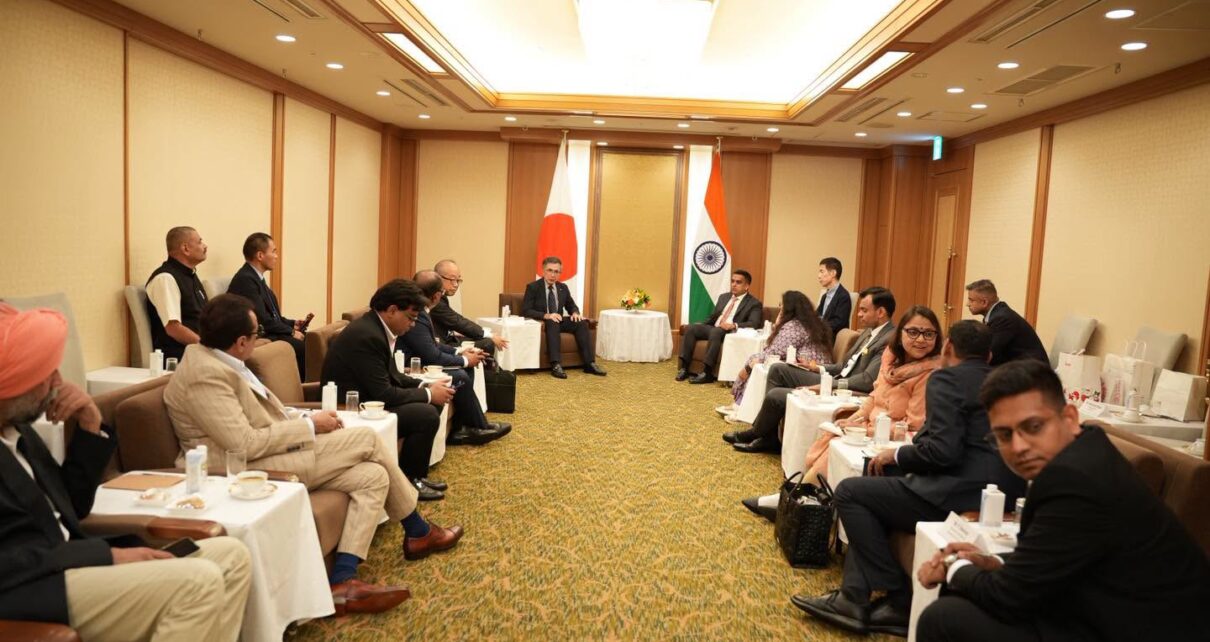
Ahmedabad, October 21, 2026: Gujarat has stepped up its efforts to attract Japanese investments, with Deputy Chief Minister Harsh Sanghavi leading a series of high-level meetings in Tokyo involving 129 Japanese companies in a single day. The discussions focused on expanding automobile manufacturing, strengthening semiconductor infrastructure, developing data centre technologies and generating employment opportunities for Gujarat’s youth.
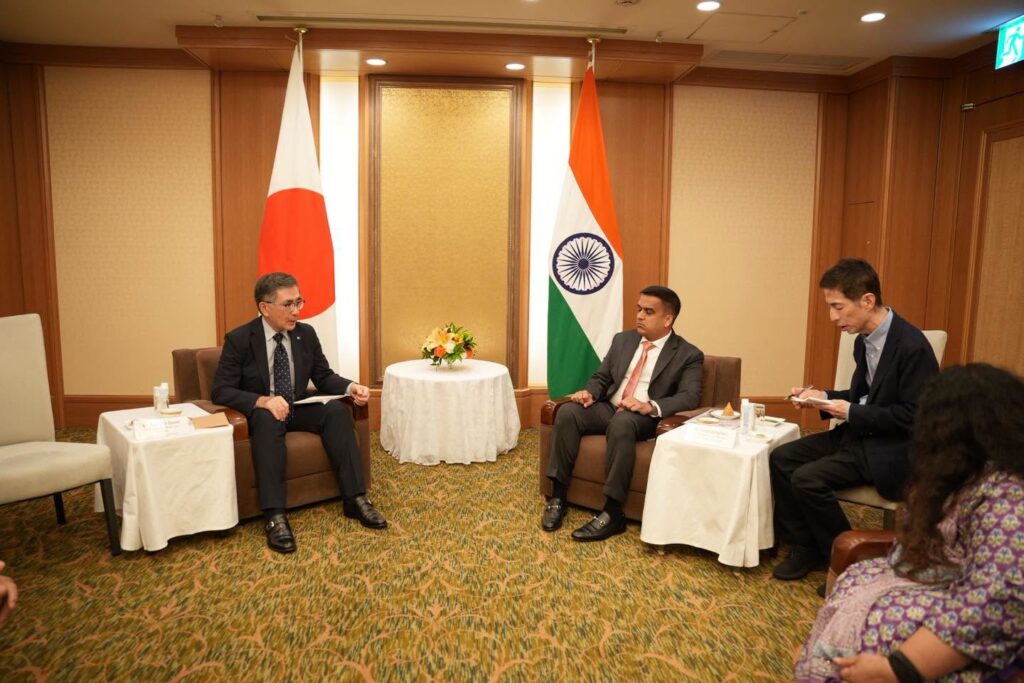
During the visit, Sanghavi addressed two major business roundtables—one attended by 57 industrialists from various sectors and another involving 72 companies in Suzuki Motor Corporation’s automobile supply chain. He also held meetings with senior Japanese government officials, industry leaders and representatives of major corporations.
Major Investment and Expansion Plans
Several significant developments emerged from the meetings. Suzuki Motor Corporation indicated that its annual car production in Gujarat, currently around 10 lakh units, is expected to double to 20 lakh units in the coming years. Meanwhile, 24 suppliers from Suzuki’s supply chain expressed interest in establishing operations in Gujarat on a fast-track basis.
Sumitomo Chemical decided to establish a specialised chemicals manufacturing unit for the semiconductor sector in Bhavnagar. Furukawa Electric entered the final round of discussions for a proposed investment exceeding ₹4,500 crore in an optical fibre cable manufacturing facility catering to the growing data centre industry. If realised, the project would mark the first time the company manufactures this product outside Japan.
Discussions with Tokyo Electron also reached the final stage for a proposed semiconductor-sector project. Kyowa Leather agreed to establish a polyurethane (PU) leather manufacturing plant in Gujarat, with the site expected to be finalised within a month.
Honda’s expansion plans are expected to generate around 4,000 new employment opportunities for Gujarat’s youth by the end of 2027 or early 2028.
Meetings with Leading Japanese Companies
Apart from the two roundtables, Sanghavi met Toshihiro Suzuki, President of Suzuki Motor Corporation; Nakasone Yasutaka, Japan’s State Minister for Foreign Affairs; and Takuya Tasso, Governor of Iwate Prefecture.
The delegation also held discussions with representatives of 11 major Japanese companies: Sumitomo Chemical, Furukawa Electric, Honda, Tokyo Electron, Kyowa Leather, JERA, MUFG Bank, Marubeni, Sanrio, Meiraku and Moririn.
Gujarat Pitches Its Investment-Friendly Environment
At the luncheon roundtable held at Hotel Imperial in Tokyo, Sanghavi presented Gujarat as an investor-friendly destination, highlighting the availability of industrial land, modern port infrastructure, reliable power supply and streamlined approval procedures.
The separate meeting with Suzuki’s supply-chain partners focused on opportunities to establish new manufacturing units near the company’s Hansalpur facility. The proposed expansion of automobile production and the entry of additional suppliers are expected to strengthen Gujarat’s automotive ecosystem and support the creation of local employment.
Focus on Semiconductors, AI and Data Centres
The proposed investments and ongoing discussions in specialised chemicals, semiconductor equipment and optical fibre cables could strengthen Gujarat’s position in India’s semiconductor and technology manufacturing sectors.
The planned optical fibre cable facility is particularly significant amid rising demand for data centre infrastructure driven by artificial intelligence and digital services. The proposed semiconductor-related projects could also help expand the state’s industrial base and attract further technology-oriented investments.
Modi-Japan Ties Highlighted
Highlighting the relationship between India and Japan, Sanghavi said the trust developed through Prime Minister Narendra Modi’s engagement with Japanese leadership, including his longstanding friendship with former Japanese Prime Minister Shinzo Abe, had helped strengthen Gujarat’s appeal to Japanese investors.
He said this relationship was now translating into industrial projects, investment opportunities and employment prospects for Gujarat’s youth under the leadership of Chief Minister Bhupendra Patel.
The Tokyo engagements underline Gujarat’s continuing efforts to deepen economic ties with Japan and attract investments across automobiles, chemicals, semiconductors, advanced materials and digital infrastructure.


