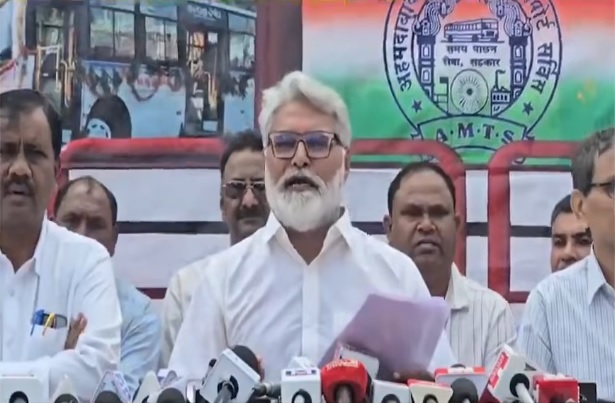
Ahmedabad, February 3, 2026 — The Ahmedabad Municipal Transport Service (AMTS) on Tuesday approved its annual budget for the financial year 2026-27, proposing a total outlay of ₹1,011 crore aimed at expanding services, upgrading infrastructure and modernising the city’s public bus network.
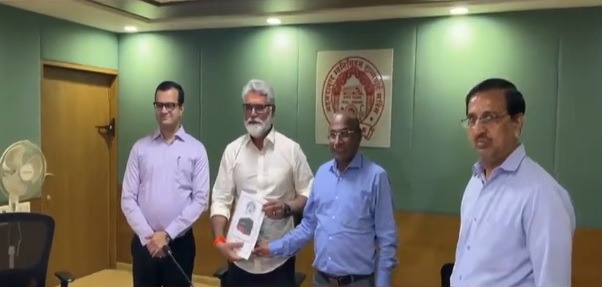
Originally tabled as a ₹991 crore draft, the budget was enhanced by an additional ₹20 crore during discussions, reflecting increased allocations for passenger amenities and technological upgrades.
- Fleet Expansion & Services: The budget continues to prioritise growing AMTS’s operational reach with plans to expand the fleet and introduce new services to outlying villages and industrial zones. Reports indicate the system aims to support up to 1,600 buses in service.
- Electrification & Sustainability: A major thrust remains on transitioning toward electric and air-conditioned buses, with completed deliveries of 25 of the 225 ordered electric buses already in progress.
- Infrastructure Enhancements: Funding includes investments for modern bus depots, solar-powered charging stations, and new facility upgrades at key locations such as the Jamalpur depot.
- Passenger Comfort & Technology: The revised budget allocates resources for air purification systems in 70 AC buses and a ₹3 crore allocation for an AI-based scheduling system, designed to improve operational efficiency.
In a notable move outlined in the budget, AMTS plans to deploy electric buses on both banks of the Sabarmati Riverfront — a first for public transport along the 9-kilometre waterfront — addressing long-standing commuter demand for improved connectivity.
While the budget projects revenue streams, AMTS continues to face financial pressures, with reported outstanding debt exceeding ₹5,000 crore in recent years. Concerns over long-term fiscal sustainability and the organisation’s capacity to maintain and expand services remain part of public and political discourse.
The approved budget underscores Ahmedabad’s drive toward a more environment-friendly, passenger-centric transport system, dovetailing with broader city mobility and climate goals ahead of the coming decade. Integration with other modes of transit and enhanced digital systems are expected to modernise commuter experiences across the city.