
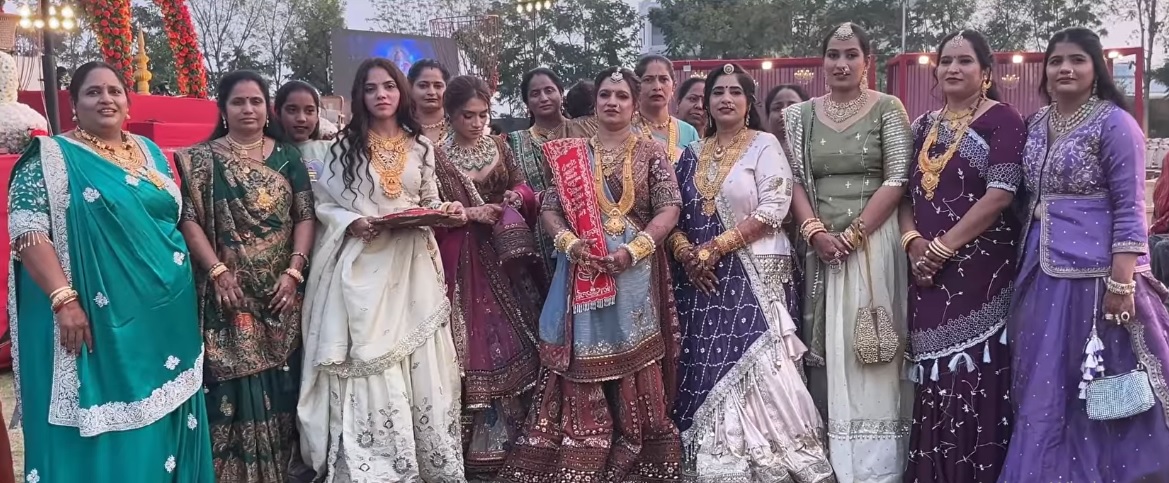
Ahmedabad, February 20, 2026: In a remarkable display of social harmony and unity, more than 2,000 members of the Kshatriya Thakor community gathered in Ahmedabad to ceremonially fill a traditional ‘Mameru’ at the wedding of the daughter of noted philanthropist Bababhai Kanjibhai Bharwad.
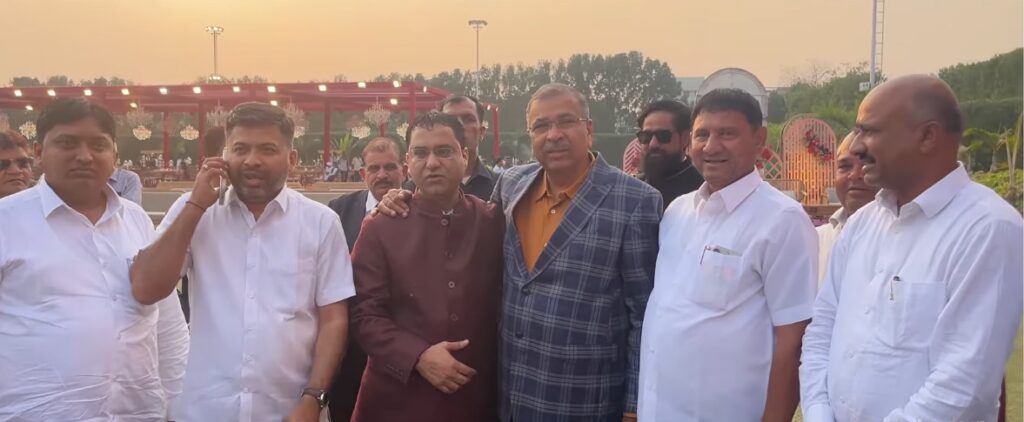
The grand event was held at Kasumbal Nes in Lapkaman, Ahmedabad, between 4:00 pm and 6:00 pm, marking what many described as a historic moment in Gujarat’s social landscape. Members from over 45 villages of Patan district came together, setting aside caste and community differences to celebrate the occasion collectively.
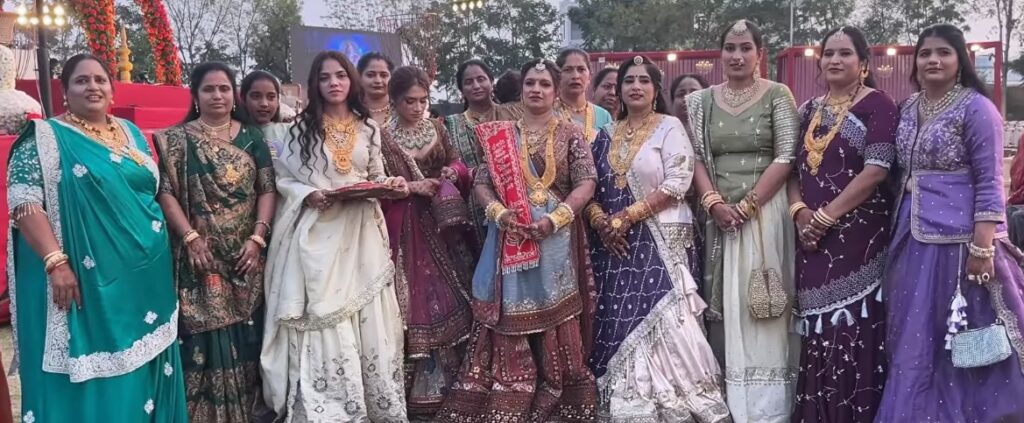
Significantly, this is believed to be the first instance in North Gujarat where 42 sub-groups of the Thakor community and members of the Jagirdar Darbar community jointly participated in a social function of this scale. Observers termed the development both socially and politically significant.
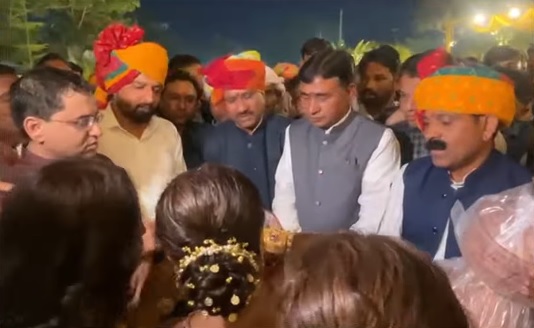
Several political and social leaders attended the ceremony and participated in the traditional Mameru ritual as per community customs. Among those present were:
- Bharatsinh Solanki, son of former Union Minister Madhavsinh Solanki
- Lavingji Thakor
- Amaratji Thakor
- Former MLA Baldevji Thakor
- Patan District BJP President Bharatbhai Arya
- Former MLA Lakhabhai Bharwad
Several other social leaders, including Navghanji Thakor, Vinaysinh Zala, Mangaji Thakor, Dr. Manoj Thakor, Moghji Thakor, and Vasanji Vakil, were also present.
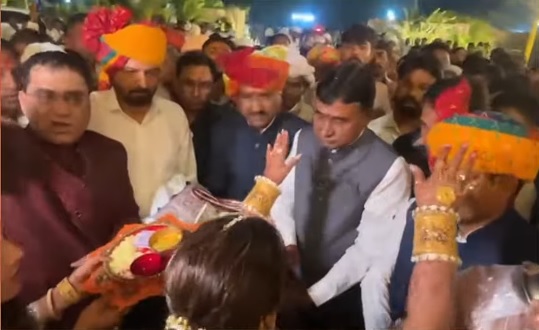
Bababhai Bharwad, a former corporator from Ghatlodia, is widely known for his philanthropic work. He has donated crores of rupees from his personal funds to support education for girls from the Thakor community and other economically weaker sections, particularly in the Patan region. His initiatives have included distribution of tablets and bicycles to promote education and empowerment.
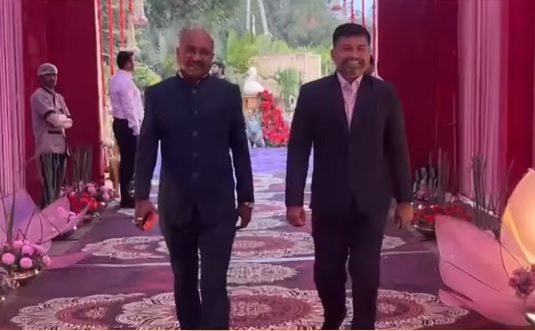
In recognition of his selfless service toward the community’s children, the Thakor community collectively decided to treat his family’s celebration as their own and perform the traditional Mameru ceremony.
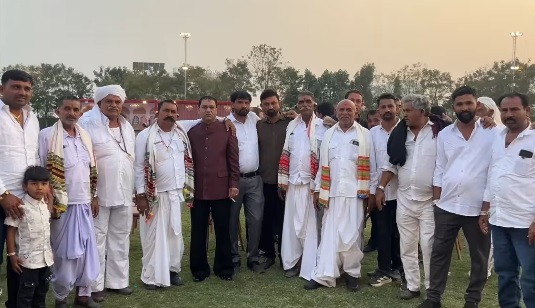
The disciplined participation of around 2,000 attendees underscored the spirit of unity and mutual respect. Many described the event as possibly the first time in history that one community formally performed Mameru at the home of a leader from another community under established social customs.
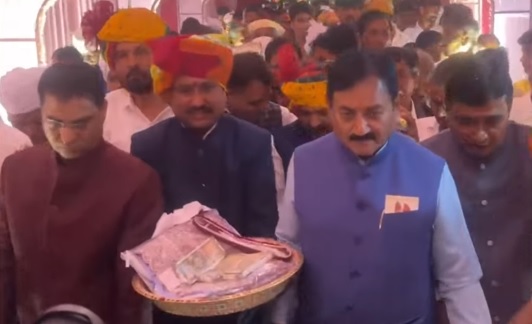
The gathering concluded with leaders from both communities expressing their commitment to strengthening Gujarat’s social fabric and promoting harmony beyond caste boundaries.
The event has been widely hailed as a milestone in fostering social integration and collective responsibility within the state.